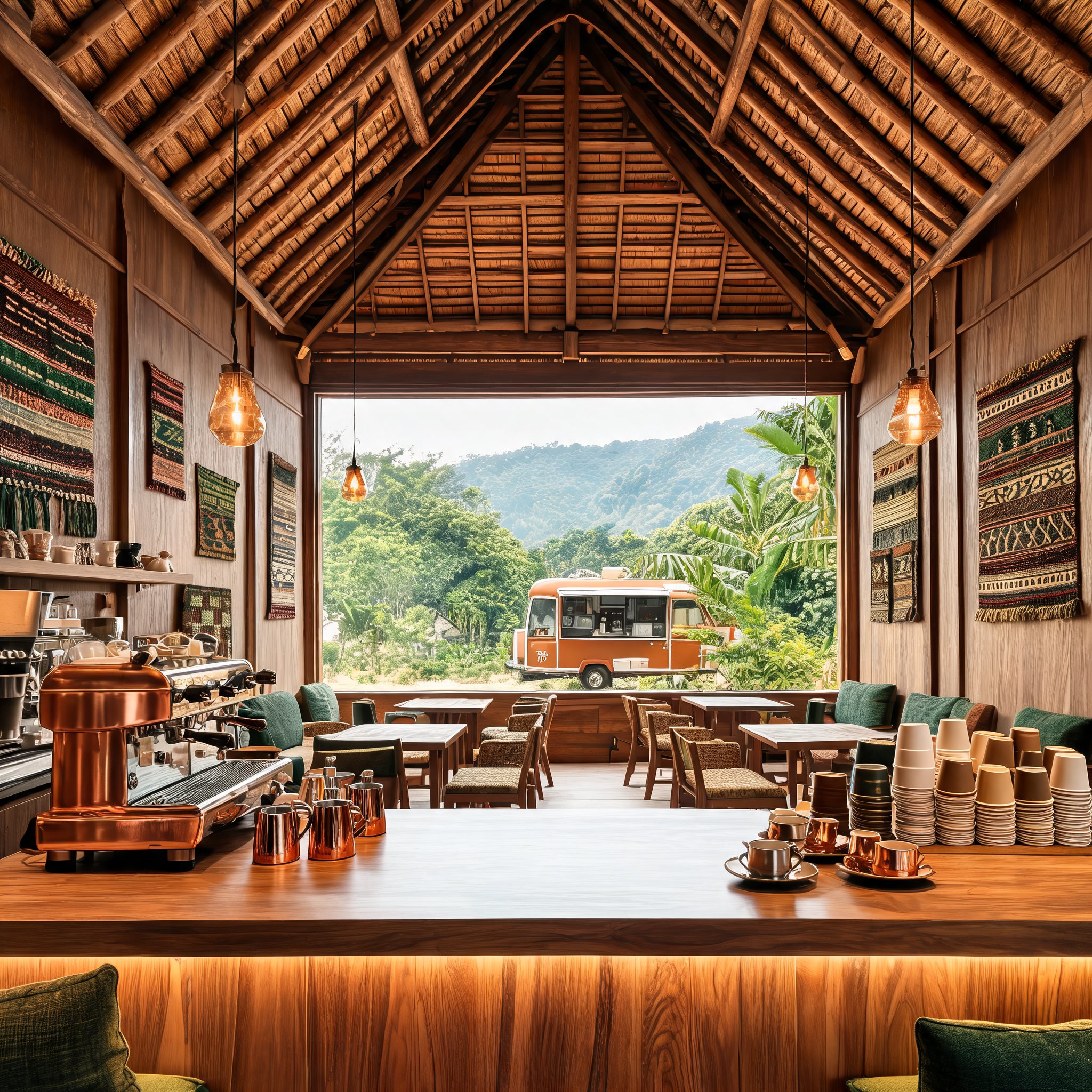
Starbucks has passed 6,000 coffeehouses across Asia Pacific, using the opening of its first coffeehouse in Buon Ma Thuot, Vietnam, to mark the milestone. The city sits in Vietnam's Central Highlands, a coffee-growing region.
Chanda Beppu, president of Starbucks Asia Pacific, described the threshold as a meaningful point in the company's nearly 30-year history in the region. She credited green apron partners and licensing partners with helping extend the Starbucks Experience to millions of customers. Beppu also said Buon Ma Thuot was a fitting location for the milestone because much of Vietnam's coffee story begins there.
The new coffeehouse combines contemporary Starbucks design with local cultural references. It uses locally sourced materials and artwork inspired by traditional weaving. Its architecture draws on the traditional Rong house, recognisable for its tall roof and its role as a communal gathering place in parts of the Central Highlands.
Starbucks is also leaning on smaller, more flexible store formats as it expands. Modular, adaptable designs can suit locations and customer needs that differ from a conventional coffeehouse, including busy transit hubs and event spaces. In Vietnam, the company has deployed a mobile coffee truck at concerts, events and community venues.
The 6,000-store milestone reflects the scale of Starbucks' licensing and partner-led model in Asia Pacific. The Buon Ma Thuot opening also links the brand's expansion to a coffee-producing origin, while the mobile truck shows how non-standard formats can extend reach beyond fixed cafes. Separately, Dunkin' opened its first restaurant in Kazakhstan this week.