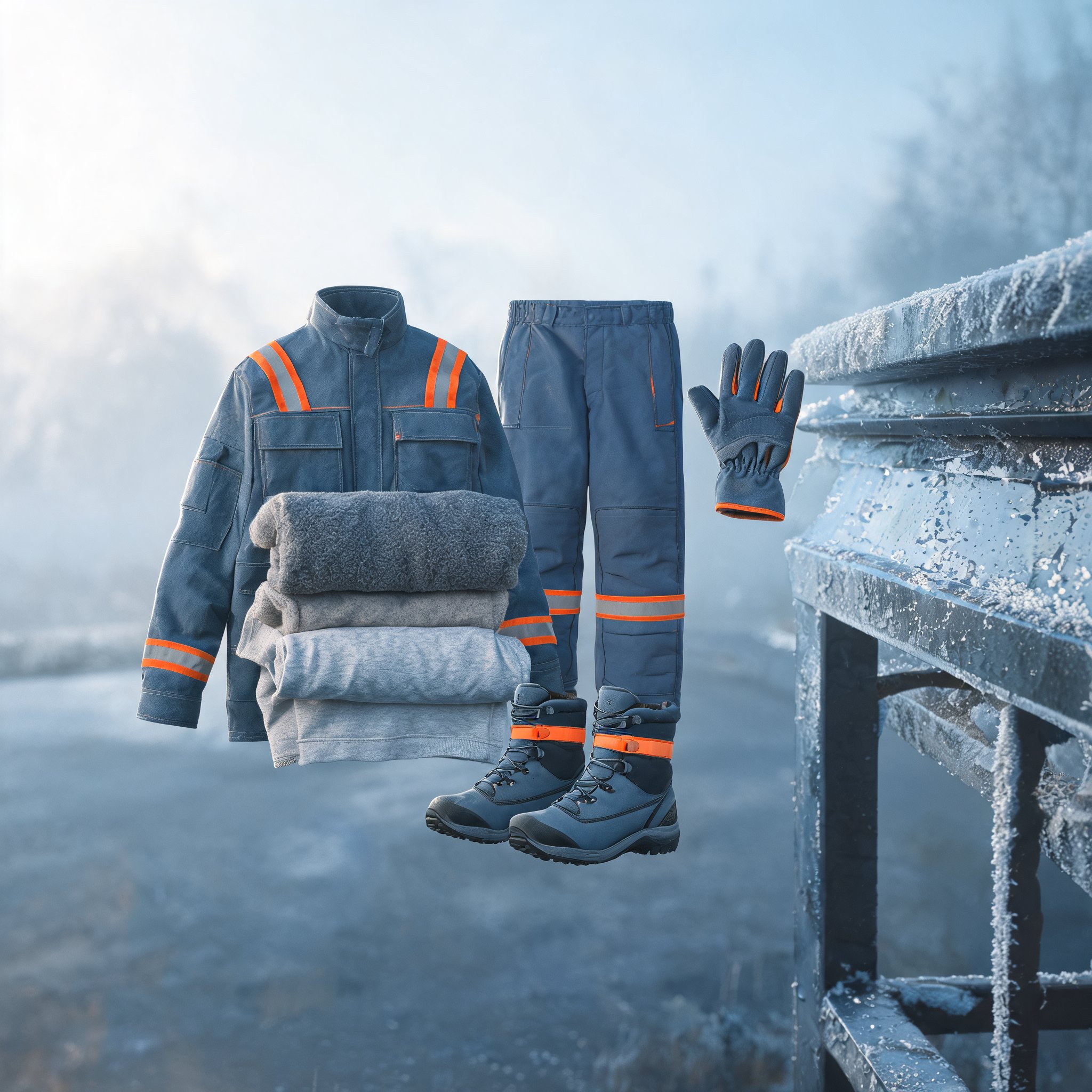
CWS Workwear International GmbH has identified five common gaps in winter personal protective equipment (PPE), warning that outdoor work in cold, wet and dark conditions can raise risks when protective clothing is wrongly selected or combined. The Dreieich-based workwear company published the points in a current guide.
According to the guide, shorter days, wetness and frost change the hazard situation at many outdoor workplaces. Yet PPE is often not adjusted to those conditions. The central problem, CWS says, lies in the interaction between clothing layers: individual garments may be certified, but the combination actually worn may not meet the requirements of the relevant standards.
The company’s warning focuses attention on the selection and combination of PPE, not only on the certification of single items. A jacket, trousers or other layer that meets a standard on its own does not automatically ensure that the complete outfit worn in winter work remains compliant. CWS identifies this mismatch as a typical source of protection gaps.
CWS Workwear names five typical gaps. Its explanation focuses on how layers perform together when days are short and surfaces are wet or frozen. For outdoor workers, the implication is that winter PPE should be reviewed as a system, rather than assuming that certified components automatically provide the required protection in combination.